Posted by Mame Adu-Boahen on April 7, 2019
Health disparities are differences among specific populations in the United States, some of the differences include prevalence, molarity rates, health care coverage , burden of disease and other health conditions. The aim of the United States health system is to provide high quality healthcare, affordable healthcare, and accessible care for everyone . Another goal is to improve health outcome for all people across the lifespan, children, young adults, youth, the elderly, and the unborn (HHS Strategic Goal 1,2019) . But in this same country African Americans have higher rates of diabetes, heart disease and hypertension than any other group. About 15 percent of African Americans have diabetes compared to 8 percent of their white counterparts (Russell, 2010)
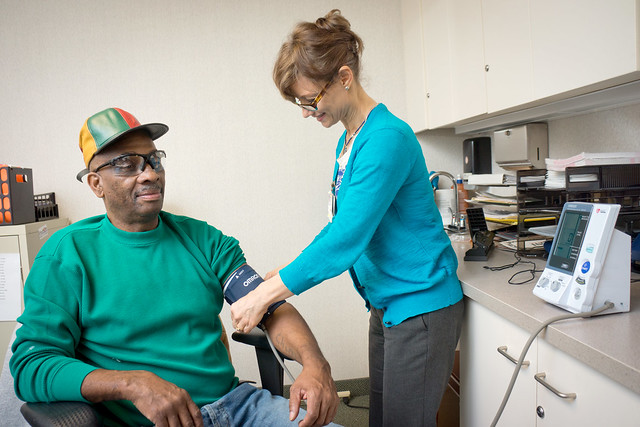
African Americans make up 12 percent of the the total U.S population. They are also the third largest racial group in the United States, behind whites and Latinos (Alexander, 2007). African Americans have higher death rates than any other race comparing to Asian/Pacific Islanders, whites and Latinos ( National Center for Health Statistics, 2013). Even though our health care has improved over the years due to technology, African Americans and other minority groups still have rtality and morbidity compared to their white counterparts ( Alexander,2007).
Infant mortality is one of the health issue affecting the lives of African Americans, Black infants are practically two and one half times more likely than white infants to die before their first birthday (Tavis Smiley, 2016). Maternal and child health status are normally used to determine the health of the population. The maternal mortality rate for Black women is three times more than the rate for white women and even double the Latina rate(Alexander, 2007). According to Center for Disease Control and prevention in the year 2004, African American infant mortality rate which was 13.6 infants deaths per 1,000 live births was twice more than the rate for Asians/Pacific Islanders, Mexican Americans and their white counterparts. Sometimes education might determine these rates but at each level of education the African American infant mortality rate surpasses other groups (Alexander,2007).Actually the African American infant mortality rate among women with the highest education level is higher than the rate for all other ethnic groups at all educational levels counting the lowest level of education (Alexander,2007). Even white women who did not complete high school have a lower infant mortality than African American women with a college degree (Alexander,2007).
There are a lot of factors that contribute to to these high rates, some of the factors are biological, behavioral psychosocial and socioeconomic factors. Biological factors that contribute to infant mortality rate can not be necessarily changed because of the issues are related to genetics. However behavioral psychosocial pertains to what you put in your body and how you maintain a healthy lifestyle but due to lack of resources among predominantly black neighborhoods also contribute to high infant mortality rates. Another factor that also contributes to high infant mortality rate among African American women is socioeconomic, an example of socio economic factor is access to healthcare and also access to neonatal technology.

According to the World Health Organization, Health is defined as “a state of complete mental, physical, and social well-being and not merely the absence of disease” (Alexander, 2007).The prevalence of disease among African Americans is higher than any other race, chronic diseases such as diabetes stroke, and hypertension affects African Americans than any other race. Diabetes is one of the diseases that affects the the health of African Americans, more than 2.2 million African Americans have diabetes aside from that African Americans with diabetes have a 27 percent higher death rate than their white counterparts (Tavis Smiley,2016). Obesity is one of America’s nightmare but it is also a the major cause of diabetes among African Americans especially among African American women. In 2010-2012, 57.5 percent of Black females above the age of 20 were obese, while for whites it was 32.3 percent ( Smiley, 2016). About 82 percent of Black women are now obese or overweight as to 63.2 percent for white women. Obesity among African Americans are caused by a lot of things some of them are, lack of physical activity and non-healthy living lifestyle ( Smiley, 2016).
Works Cited
Alexander, Nicole, et al. “Differences in Hypertension between Blacks and Whites : An Overview : Review Article.” Cardiovascular Journal of Africa, vol. 18, no. 4, 2007, pp.241–247.
“Best Reviews of Home and Kitchen Products.” Homedust, homedust.com/.
HHS Office. “Strategic Goal 1.” HHS.gov, US Department of Health and Human Services, 18 Mar. 2019, www.hhs.gov/about/strategic-plan/strategic-goal-1/index.html.
Russell, Lesley. “Fact Sheet: Health Disparities by Race and Ethnicity.” Center for American Progress, 16 Dec. 2010, www.americanprogress.org/issues/healthcare/news/2010/12/16/8762/fact-sheet-health-disparities-by-race-and-ethnicity/.
“The Covenant with Black America – Ten Years Later.” Hay House Publishing, www.hayhouse.com/the-covenant-with-black-american-ten-years-later-paperback.
Wake Forest School of Medicine
NIH support from: NIA, NHLBI, NIDDK and NINDS

 Mame's Blog